
Reinventing Ancient Roman cement
to deliver an exceptionally durable
salt-resistant, sulfate-resistant, self-healing,
low-carbon cement for the 21st century
Cement / concrete is the world’s most widely-used building material, with over 14 billion cubic meters of concrete poured annually worldwide. But concrete is cracking, both literally and financially. Modern concrete often has a lifespan of less than 20 years, especially in harsh environments. Yet there are concrete structures made in Ancient Rome that stand today.
The Pantheon, the world’s largest concrete dome, is intact after 1,900 years. There are Roman breakwaters, built over 2,000 years ago, that are stronger today than when built. The very practical engineering of Ancient Rome led to a cement that used lime and a local volcanic ash. Concrete made with it was self-healing, getting stronger when exposed to water.
Created to commercialize innovations from materials science research at the University of Texas at Arlington, Eternite aims to massively improve the durability and performance of cement and concrete.
Ancient Roman cement was self-healing because water seeping in causes chemical reactions that form mineral crystals, repairing cracks.
Ancient Roman structures were often thick and bulky to compensate for ancient concrete's limited strength. Still, Ancient Roman cement was a huge innovation, used in impressive structures that lasted for millennia.
But Ancient Roman engineers couldn't have imagined the variety and size of structures made from concrete today. They never had to think about using rebar in concrete, care about energy efficiency, or 3D print a home. They never had to cement a new oil or gas well, or plug an old one.
We're perfecting ancient engineering with modern science, by creating AeternumTM, the Reinvented Roman Cement for the 21st century.
Eternite’s core invention, AeternumTM, is a proprietary patented superior cement that uniquely combines widely-available aluminosilicate clays and other common materials.
Aeternum provides the extreme longevity of Ancient Roman cement: Aeternum is self-healing and gets stronger when exposed to water, especially salt water, slashing maintenance and repair costs.
Aeternum is a drop-in replacement for Ordinary Portland Cement (OPC) across almost all application domains. Aeternum is particularly well-suited for harsh, demanding, high-value environments.
And, Aeternum goes far beyond Ancient Roman cement:
Aeternum has exceptional salt resistance and sulfate resistance. Aeternum's chemistry also prevents rebar corrosion, another common failure mode in concrete.
In addition to being used as well cement or as the binder in structural concrete, Aeternum is 3D-printable, offering great flexibility in achieving nature-inspired shapes.
Making Aeternum uses 1/2 of the energy needed to make OPC, because Aeternum’s process temperature is only 750°C versus 1450°C. This cuts costs and CO2 emissions up to 60%.
Cement is rarely mixed using salt water. While the presence of salt can accelerate initial curing and strength, it leads to long-term deterioration (especially when rebar is used in concrete).
Ancient Roman cement was an exception, relying on seawater for its performance and durability.
The chemistry of Aeternum was designed to use seawater to set and cure properly, and give Aeternum its 21st century strength and extreme durability.
And, continued exposure to salts strengthens Aeternum.
Aeternum can be mixed using fresh water by adding salts, or used directly with seawater or brine.
Moreover, Aeternum also performs properly when mixed with a wide range of ‘produced waters’ from oil & gas wells.
The ability to mix Aeternum with most salty waters to make structural concrete or cement slurry is a huge advantage where fresh water is scarce, or where close to a sea coast.
Turning salty water from enemy to ally is another
big sustainability advantage for Aeternum.

Reliable cementing of new wells and plugging of old wells are crucial to fossil fuel production. Aeternum can be mixed with a wide range of 'produced waters' and will be much more durable than OPC-based well cements. Ongoing exposure to salts will make it stronger.
Learn More
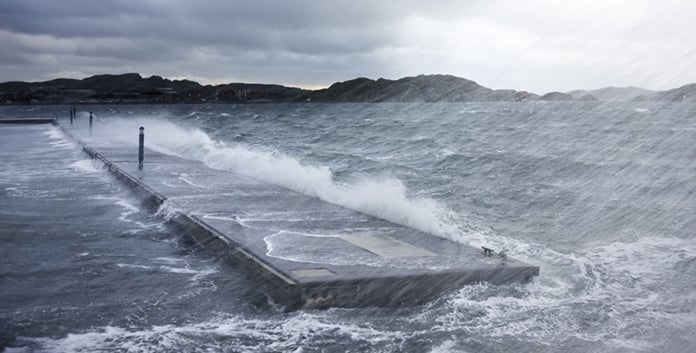
Because it sets, cures, and performs properly when mixed with seawater, Aeternum is an excellent concrete binder for land-based projects near a sea, and for marine structures such as breakwaters, seawalls, bridge and wind turbine pylons, and 3D-printed reefs.
Learn More
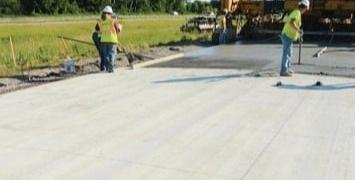
Aeternum’s durability and strength make it a partial or full drop-in replacement for OPC in structural concrete, roads & bridges, and 3D-printed construction. Concrete made with Aeternum resists ‘concrete cancer’, and drastically reduces rebar corrosion.
Learn More
Aeternum is the binder for making concrete
with the strength to meet the needs of modern projects.
Concrete made using Ancient Roman cement was not nearly as strong as modern concrete, having a maximum compressive strength of only about 350 to 1,000 psi (or 2.4 to 6.9 MPa).
Many Ancient Roman structures were bulky, to compensate.
Modern concrete made with Ordinary Portland Cement reaches 3,000 to 6,000 psi (20 to 40 MPa), and there are additives and admixtures that make concrete even stronger.
Aeternum-based concrete can achieve a minimum compressive strength of 4,000 psi (30 MPa) when used alone, or 5,000 psi (35 MPa) when used as 50% of the binder replacing OPC, within 28 days of curing.
Aeternum-based concrete continues to gain strength in salt water, reaching a maximum compressive strength as high as 8,000 psi (55 MPa) within six months.
Alkali - Silica Reaction (ASR)
Learn more about Aeternum's superior resistance to ASR,
aka 'concrete cancer', per the standard ASTM C1260 test.
Sulfate Resistance
Learn more about Aeternum's superior sulfate resistance,
per the standard
ASTM C1012 test.
Rebar Corrosion
Learn more about Aeternum's
superior resistance to
rebar corrosion,
per ASTM C876.
Aeternum is available in three forms,
each for specific market requirements.
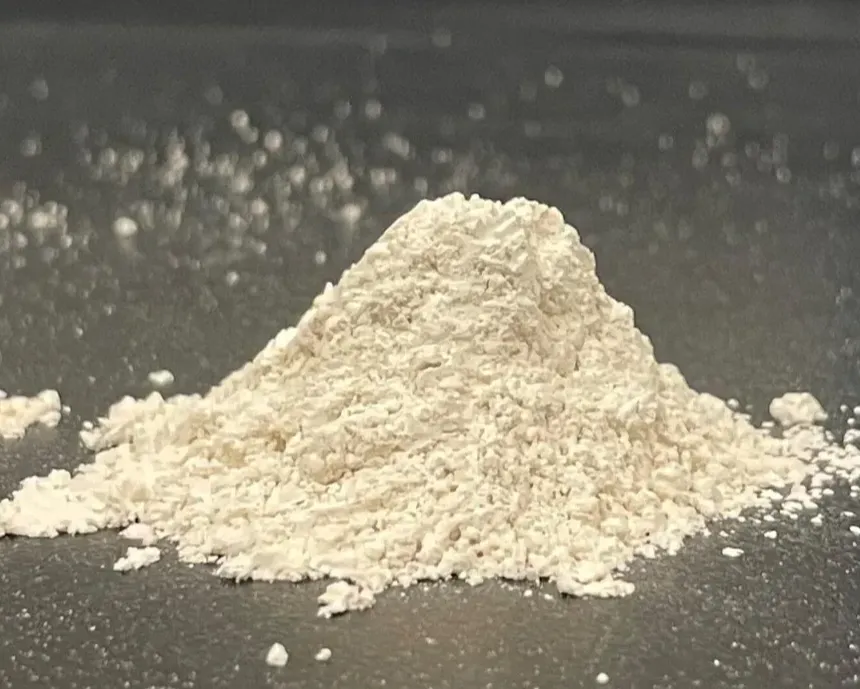
Aeternum is an eco-friendly cement alternative designed to fully replace Ordinary Portland Cement (OPC) across a wide range of applications. It enhances durability, especially in aggressive environments. Aeternum is compatible with most admixtures, ensuring seamless integration into existing mix designs. Structural concrete made with Aeternum offers a more aesthetic appearance thanks to its naturally brighter color, contributing to lower heat absorption.
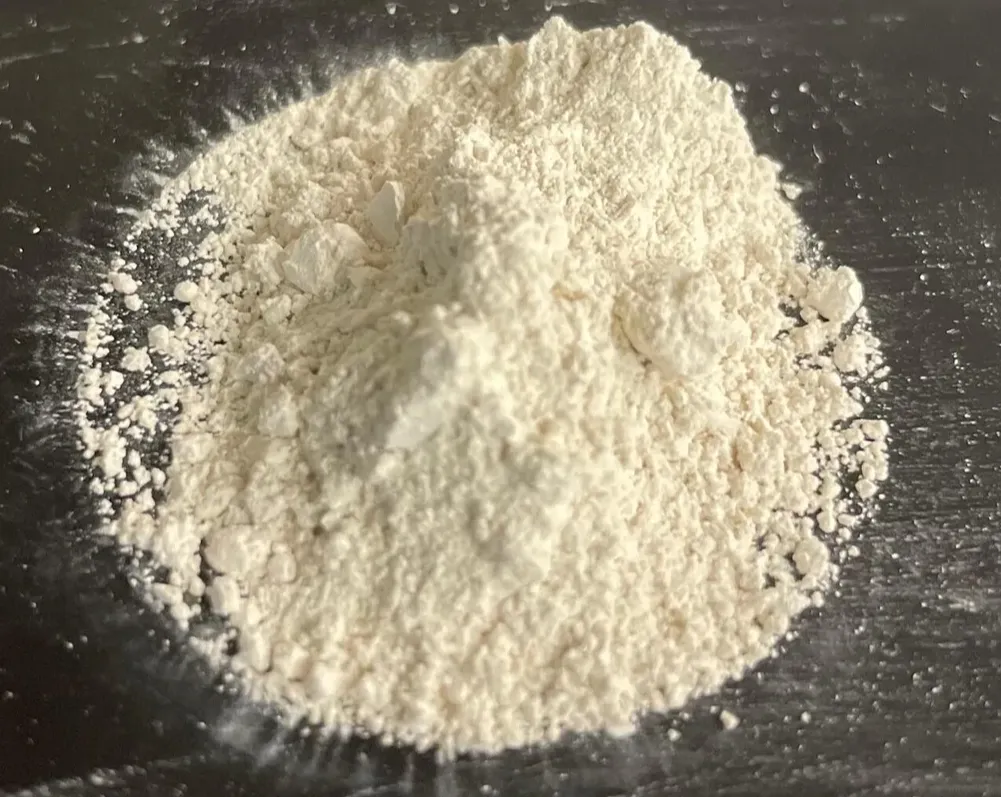
Aeternum-S is a form of Aeternum that’s a specially engineered secondary cementitious material (SCM) designed to replace up to 50% of the OPC in a wide range of applications. Formulated from a blend of natural materials and industrial by-products, Aeternum-S enhances both the strength and durability of concrete while significantly improving sustainability. By reducing reliance on OPC and extending service life, Aeternum-S enables more resilient, eco-conscious construction.
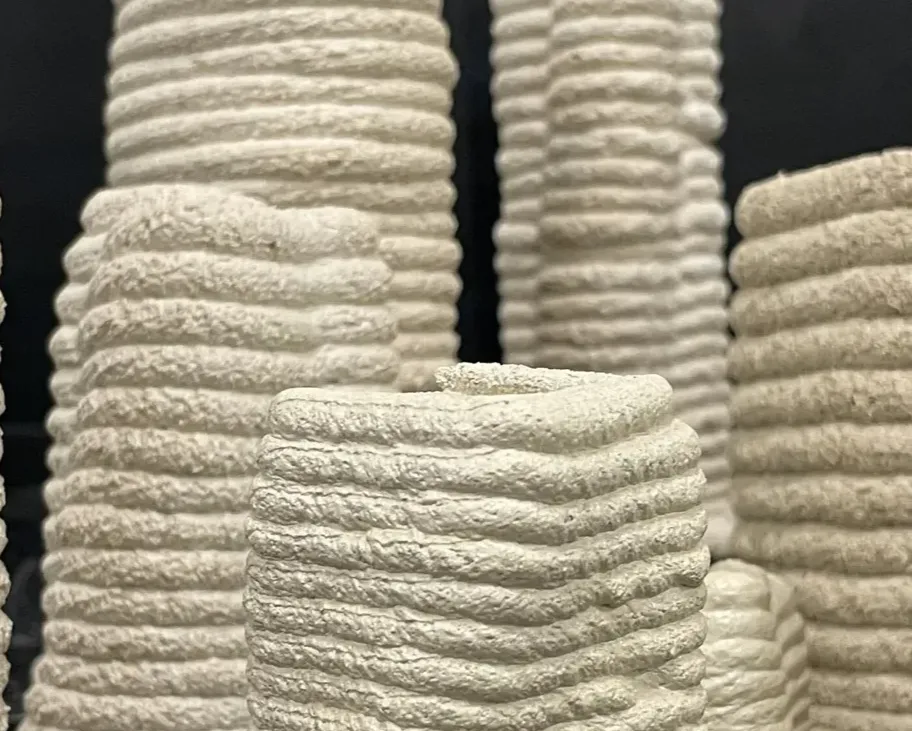
Aeternum-3D is a form of Aeternum delivered as a special-performance mortar for 3D construction printing. Aeternum-3D can be customized to meet the unique needs of each project. It can be tailored to ensure seamless compatibility with all 3D printing setups, including extrusion-based layer-by-layer printing, 3D-printing powder bed for binder injection systems, and impact printing. This ensures smooth material integration, consistent printability, and efficient project execution.
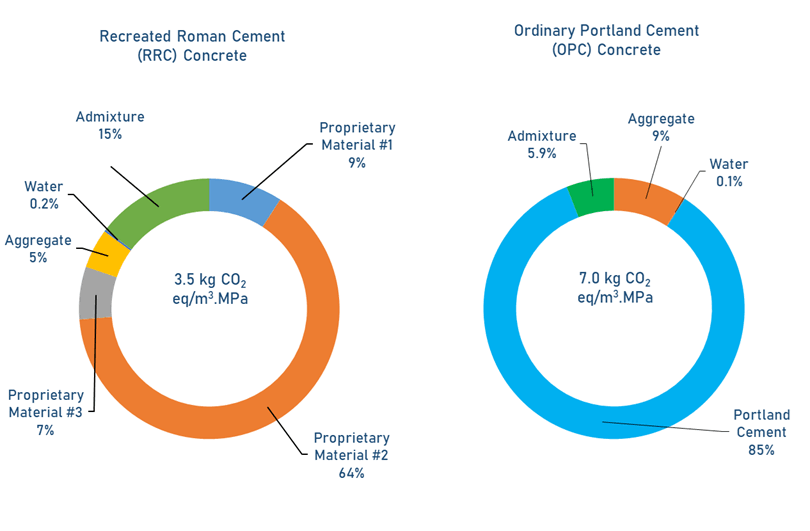
Aeternum's main value is in its superior durability and high strength, which greatly extend the useful life of well cement and structural concrete. But a big bonus is that much less energy is required to make Aeternum than to make OPC, greatly reducing CO2 emissions. Aeternum offers approximately 50% lower global-warming potential (GWP), with some uses reaching over 60% lower GWP. Moreover, the widespread availability of the raw materials used in Aeternum adds to its enhanced sustainability versus OPC.
Eternite Materials is a materials-science technology company, dedicated to greatly improving cementitious materials. We were founded in 2025 to commercialize R&D breakthroughs led by Dr. Warda Ashraf, Founder and Chief Science Officer, at her lab at the University of Texas at Arlington.
Using abundant and inexpensive natural materials, we invented Aeternum, a superior durable, sustainable, and environmentally friendly cement. Aeternum cuts costs while consistently matching or surpassing the performance of traditional cementitious materials.

Dr. Warda Ashraf is a professor at the University of Texas at Arlington with a Ph.D. in Civil Engineering from Purdue University. She specializes in construction materials science, with expertise in concrete durability, multiscale characterization, and sustainable infrastructure materials. She leads Eternite's scientific research, creating new products and adapting them to multiple markets. Warda has received many honors, including the American Ceramic Society's Early Career Award, DARPA (Defense Advanced Research Projects Agency) Director's Award, DARPA Young Faculty Award, UT Arlington’s Lawrence Stephens Award for Outstanding Research, and Purdue’s Outstanding Graduate Research Award. She holds four patents, with her research supported by leading agencies such as the National Science Foundation, DARPA, the Texas Department of Transportation, and the Defense Logistics Agency.
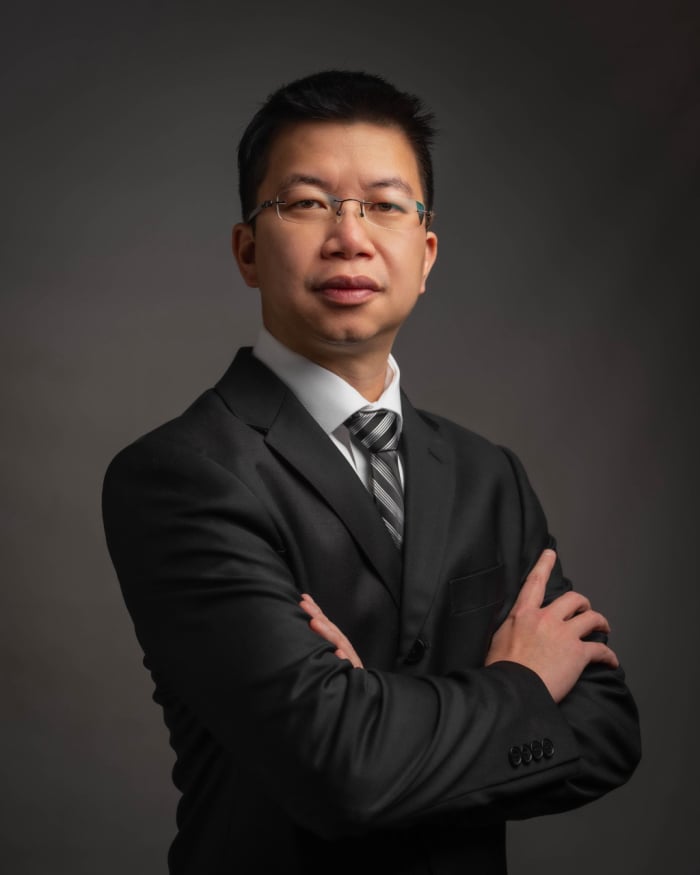
Dr. Kho Verian earned his Master’s and Ph.D. in Civil Engineering – Construction Materials from Purdue University. His career spans both technical and leadership roles, including serving as Materials Science Director for two startup companies. Driving the successful use of Eternite's products with customers, he brings over a decade of industry experience in R&D, innovation, risk assessment and mitigation, and product development of cementitious materials. He has successfully led efforts to bring technologies from the laboratory to pilot production and industrial-scale implementation, bridging the gap between innovation and commercialization. Kho drives advances in sustainable, innovative, and high-performance construction materials and technologies, combining deep technical expertise with strategic industry insight.
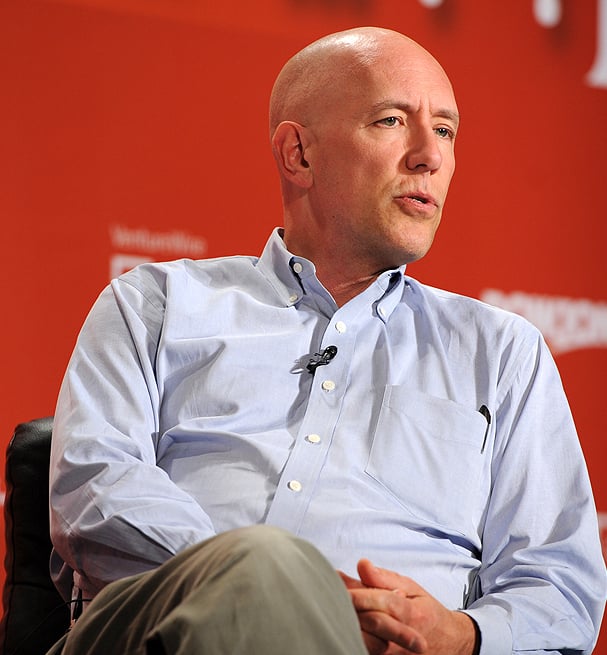
Jerry Rudisin was previously a six-time CEO of startups and growth companies and has over 30 years of executive experience in technology businesses, in a wide range of industries. Four of those companies were venture-funded by leading firms including Sequoia Capital, USVP, New Enterprise Associates, and Menlo Ventures. Previously he was a two-time VP of Marketing. Jerry has an MS in Computer Science from UCLA and a BS in Electrical Engineering / Computer Science from MIT.